This article may contain affiliate links. If you buy through them, Fresh Start Beauty may earn a small commission at no extra cost to you. Learn more.
Budgeting for makeup is not something anyone teaches you, so most people either wing it completely or avoid thinking about it until they are standing in a store with a full basket wondering how it happened. There is a better way, and it starts with dividing your spending by category instead of by whatever catches your eye that day.
Think in categories, not individual products
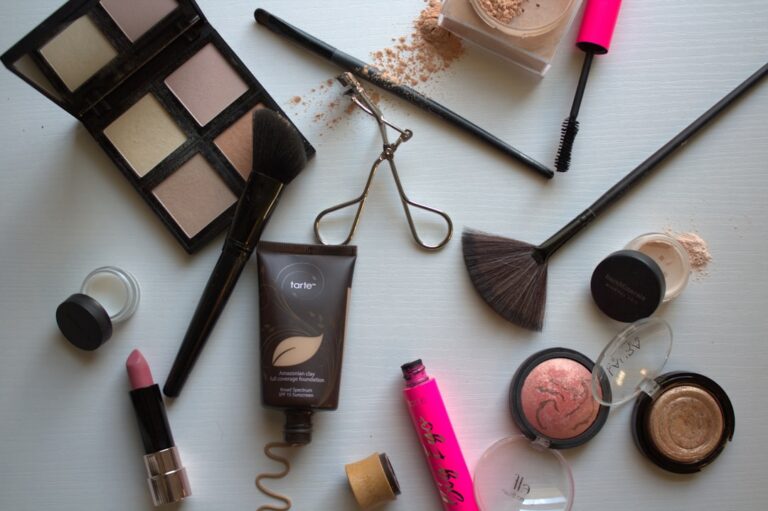
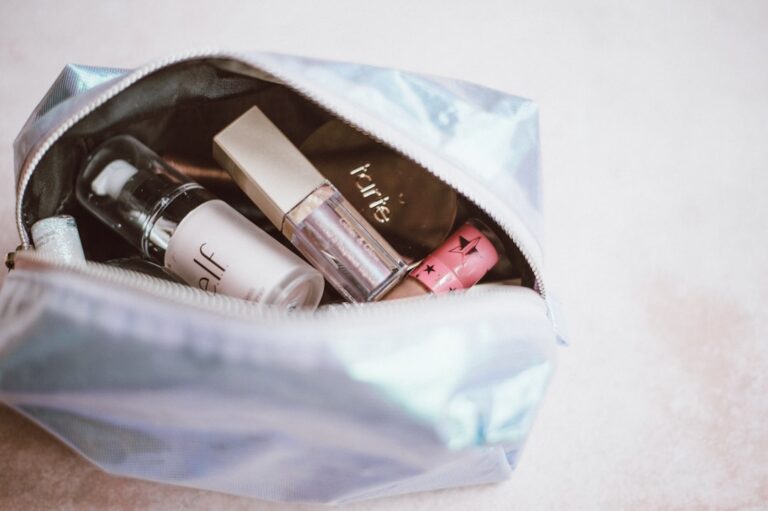
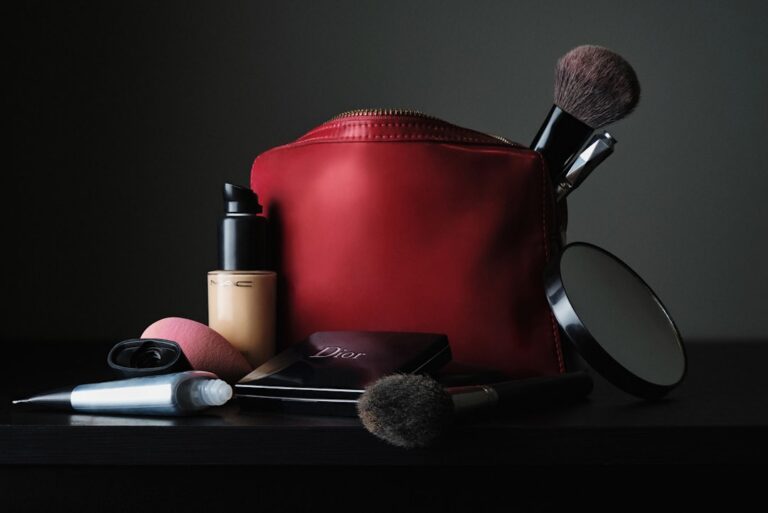
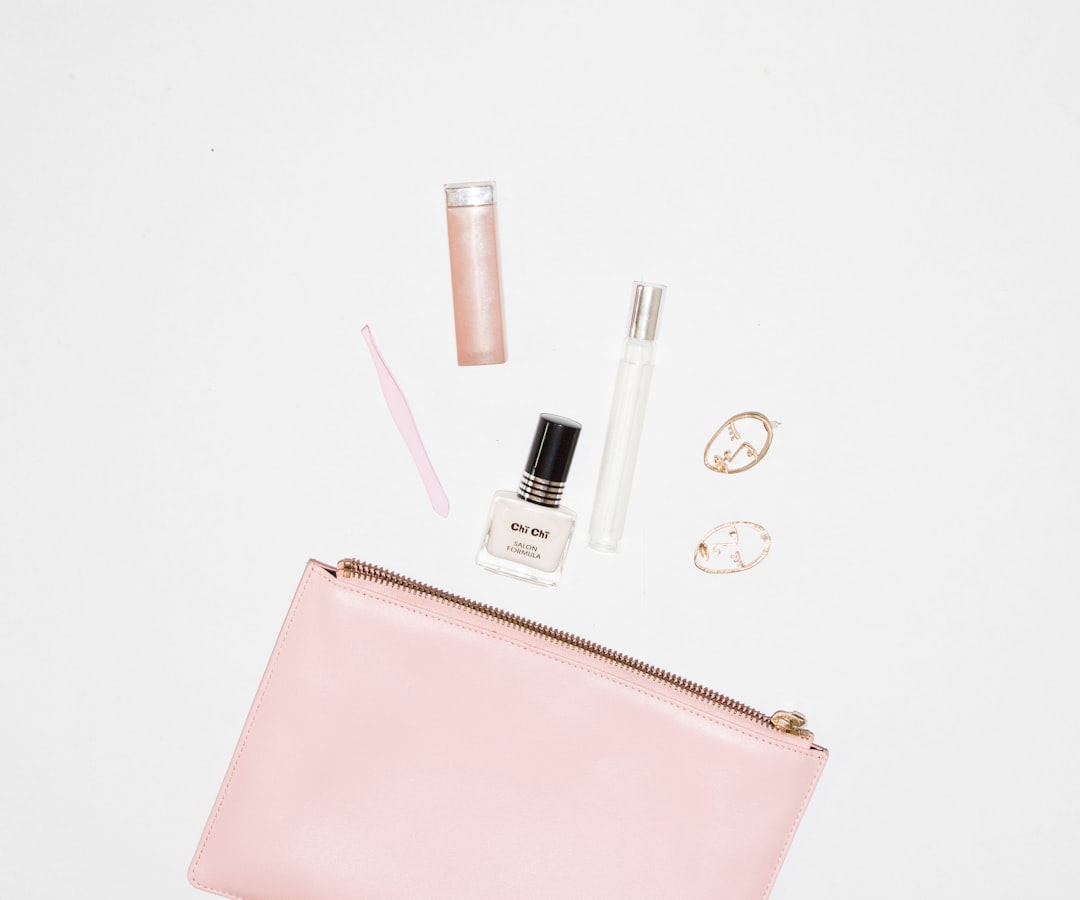
Instead of asking yourself what one product to buy next, it helps to think about your collection in categories: complexion, eyes, lips, cheeks, and tools. Each of these categories has products that wear out at different speeds and different price points that make sense for them. When you think in categories, you stop comparing a lipstick to an eyeshadow palette and start asking a more useful question, which category actually needs attention right now.
Complexion products like foundation, concealer, and powder tend to run out the fastest because you use them every day and in larger amounts. Eye and lip products last longer per use but you may want more variety. Tools like brushes and sponges are a one time or occasional cost that pays off over a long stretch of time if you take care of them.
Weight your budget toward what runs out
A simple rule of thumb is to put more of your budget toward products you use up quickly and less toward products that just sit in variety. If your foundation is nearly empty and your eyeshadow palette is barely touched, the foundation should win the next purchase even if the palette is more exciting to think about.
This sounds obvious written out, but in the moment it is easy to reverse. Stores and displays are built to highlight the fun, colorful, seasonal products, not the practical ones. Walking in with a category-based plan protects you from spending your budget on something enjoyable but redundant while your actual daily products run dry.
Where it is worth spending more
Not every product benefits equally from a higher price tag. Products that sit on your skin for hours, like foundation, concealer, and any long wear eye product, are usually where spending a bit more pays off in comfort and how the product looks by the end of the day. Products applied and mostly forgotten, like a quick swipe of blush or a one-and-done setting powder, often perform just as well at a lower price point.
Tools are another place where a slightly higher investment tends to be worth it, since a well made brush or sponge can last years if you clean it regularly, while a poor quality one might need replacing every few months.
Spend where the product stays on your skin the longest, and save where it does not matter as much.
Set a rough ceiling and stick to categories, not totals
Rather than tracking a single overall makeup budget number, which is hard to stick to, it helps to set loose ceilings per category. Decide roughly how much you are comfortable spending on complexion products this season, how much on eyes, how much on lips, and so on. When one category is full, wait until you use something up before adding to it, even if you have money left in another category.
This keeps you from what tends to happen otherwise, which is spending your entire budget in one category because it happened to be an exciting shopping trip, and neglecting the others until they are running on empty.
A note on sales and bundles
Sales can be genuinely useful, but only if the discounted item is something you were already planning to buy. A bundle deal on products you do not need is not a deal, it is spending more than you intended because the framing made it feel efficient. Before buying into a bundle, mentally separate it into the individual products and ask whether you would buy each one on its own.
Revisit the split as your habits change
Your budget split should not be permanent. If you find yourself wearing more eye makeup than you used to, or you have simplified your routine and barely touch blush anymore, let your spending follow your actual habits rather than sticking to an old plan. Checking in on this every few months is enough, you do not need to overthink it weekly.
Tracking what you actually spend
It is easy to underestimate how much you spend on makeup over the course of a year because the purchases are spread out and each one feels small on its own. Keeping even a rough running total, whether that is a note on your phone or a simple list, gives you a clearer picture than trying to remember it after the fact. You do not need a detailed spreadsheet, just enough of a record that you can look back and see where the money actually went.
This kind of tracking is also useful for spotting patterns you might not notice otherwise. Maybe you keep buying lip products even though you already own several in similar shades, or maybe your skin care spending has quietly crept up while your actual makeup budget has shrunk. Neither of those is a problem on its own, but knowing about it lets you make the choice on purpose instead of by accident.
What to do when money is tight
If your budget for makeup is small right now, the category approach still works, it just means each category gets a smaller ceiling rather than being skipped entirely. Focus what little budget you have on the products you use daily and let the extras wait. A tight budget is actually a good forcing function for sticking to the order that makes sense anyway, since there is no room left over for impulse purchases once the essentials are covered.
It also helps to remember that a smaller collection built carefully within a tight budget can perform just as well day to day as a larger one. The goal was never to own the most products, it was to own the right ones for how you actually get ready.
The takeaway
Split your spending by category, weight it toward what you use up fastest, spend more where a product sits on your skin longest, and let your real habits guide where the money goes instead of guessing in the moment.