This article may contain affiliate links. If you buy through them, Fresh Start Beauty may earn a small commission at no extra cost to you. Learn more.
Every single person I know who wants to start wearing makeup gets stuck at the exact same place: standing in a drugstore aisle staring at a wall of products with no idea which one solves what problem. So let’s back up before we even talk about products, because the real issue is never the products. It’s that nobody ever tells you the order things go in.
I hear from people all the time who say they tried to get into makeup years ago, bought a giant palette because it looked impressive, used it twice, and gave up. That is not a failure of willpower. That is starting in the wrong place. A palette with forty eyeshadows is not a starting point, it’s a destination you might reach in a year or two if you decide you even like eyeshadow that much.
Start With What Evens Things Out, Not What Adds Color
The very first category to think about is something that evens out your skin tone, not something that adds drama. This could be a tinted moisturizer, a light coverage foundation, or a concealer used sparingly under the eyes and on a couple of spots. The goal at this stage is not to look different. The goal is to look like a rested version of yourself.
This is the step people skip because it feels boring compared to lipstick or eyeliner. But skipping it is exactly why so many first attempts at makeup feel like a costume instead of an enhancement. When your base is even, everything else you add sits on top of a calm canvas instead of fighting with redness or shine.
Then Add One Thing That Defines Your Face
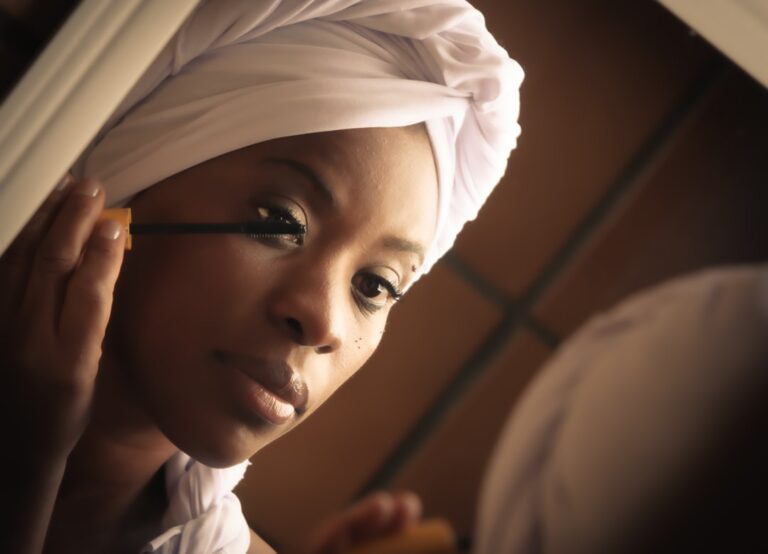
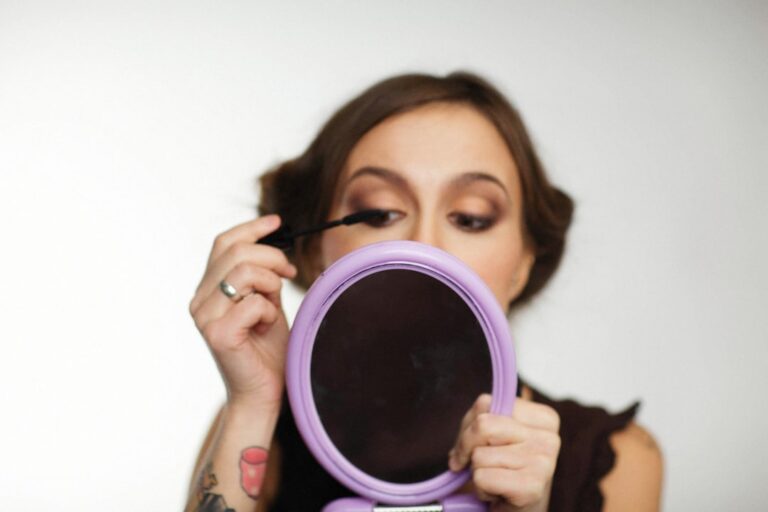
Once you have a simple base handled, the next thing worth learning is something that defines your features a little, usually mascara or a soft brow product. Mascara in particular gives a lot of visual payoff for very little skill required. You sweep it on, your eyes look a bit more awake, and you’re done in under a minute once you get the hang of it.
I always tell people to master mascara before they touch eyeliner. Eyeliner has a steeper learning curve and a much higher chance of an uneven first attempt staring back at you in the mirror. Mascara is forgiving. If one eye gets slightly more product than the other, nobody will ever notice but you.
Color Comes Last, Not First
Here is the part that surprises people. Lipstick, blush, eyeshadow, all the fun colorful stuff, that comes after the first two steps are comfortable, not before. Why would you build your confidence around the part of makeup that draws the most attention and requires the most matching and blending skill?
A cream blush in a shade close to your natural flush is a good entry point when you’re ready for color. It’s nearly impossible to apply badly because you’re blending it with your fingers directly into your skin, and it tends to look like your own coloring rather than something painted on.
What This Looks Like in Practice
- Week one: practice evening out your skin tone with just concealer or a light base, nothing else
- Week two: add mascara to that same simple routine
- Week three or whenever you feel ready: introduce one cream product for color, like a blush or a tinted lip balm
- Only after all of that feels automatic: start exploring eyeshadow, liner, or anything more technical
Notice that nowhere in this list is there a rush. You’re allowed to stay at week one for a month if that’s what feels right. There’s no clock running.
Why Buying Everything at Once Backfires
I get why the instinct is to buy a full kit in one trip. You want to get it over with, or you’re worried you’ll need something later and won’t have it. But think about what actually happens when you own fifteen products and know how to use two of them. You get overwhelmed every morning before you’ve even started, and the products you don’t understand yet just sit there making you feel like you’re behind on something.
You don’t fail at makeup because you own too little. You get discouraged because you own too much before you know what any of it does.
Buying one thing, learning it, feeling comfortable with it, then adding the next thing is slower on paper but so much faster in terms of actually sticking with it. A routine you built one piece at a time is a routine you understand. A routine you bought in one afternoon is a mystery box you have to solve every single day.
You Don’t Need to Watch Hours of Tutorials First
One more thing worth saying: you do not need to become a student of makeup before you’re allowed to wear it. A lot of people delay starting because they think they need to research techniques, watch tutorial after tutorial, and understand color theory before they touch a single product. That’s backwards. You learn by doing it on your own face in your own bathroom, messing it up a little, and trying again tomorrow.
Your first few attempts will not look like anything you’d see online, and that’s completely fine because nobody else’s first attempts did either. The skill builds through repetition, not through watching someone else do it well.
Give Yourself an Actual Starting Line
If you take nothing else from this, take the order. Even out your base first. Add one feature-defining product second. Bring in color third, whenever you’re ready, with no deadline attached. Everything else, the tools, the techniques, the endless product options, can wait until those three feel like second nature.
Starting over or starting for the first time isn’t about having the right stuff. It’s about giving yourself a starting line that’s actually reachable instead of a finish line that scares you off before you begin.